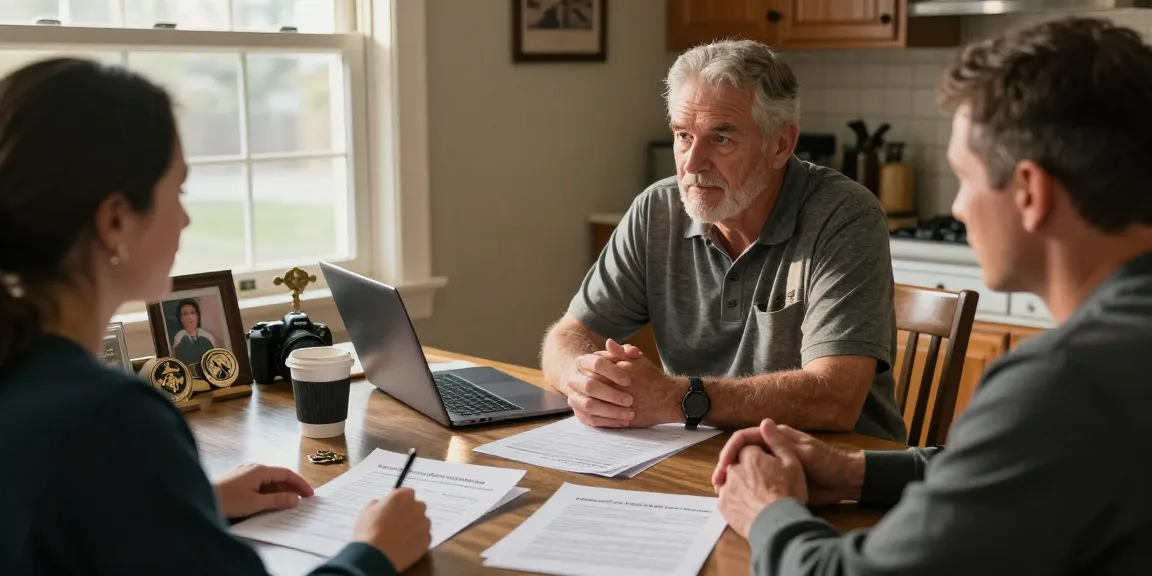
Understanding the Veteran Transition to Civilian Life
The transition from military to civilian life is one of the most significant changes a veteran can experience. It often involves not just a change in daily routine but also a complete reorientation of one’s identity, values, and relationships. More than 200,000 service members transition to civilian status each year, and the complexities of this process can be daunting. From adjusting to a new work environment to navigating healthcare, veterans face numerous challenges as they seek to reintegrate into society. For those looking for comprehensive insights on this journey, Veteran transition to civilian life resources can provide essential guidance.
What is a Veteran Transition?
A veteran transition refers to the process of transitioning from active military service to civilian life. This may include leaving the armed forces, adjusting to new environments, and seeking employment or education. The transition is not merely logistical, encompassing physical relocation and job-seeking; it is also deeply emotional and psychological, as veterans reassess their identity and purpose outside of military service.
Key Differences Between Military and Civilian Life
Understanding the stark contrasts between military and civilian life is crucial for veterans. In the military, life is structured, with clear hierarchies and defined roles. Once out, however, the freedom of civilian life can be overwhelming. Key differences include:
- Routine and Structure: Military life is regimented, while civilian life offers more flexibility.
- Social Connections: Veterans often find themselves away from the tight-knit communities of the military.
- Employment Dynamics: Many veterans must adjust from a mission-focused environment to competitive civilian job markets.
Importance of Support Systems during Transition
Support systems are critical during a veteran’s transition. Family members, friends, and organizations play an essential role in providing the emotional, practical, and psychological assistance that veterans need. Programs tailored specifically for veterans can help them navigate this challenging period, offering mentorship and community support.
Challenges Faced During the Transition
Common Emotional Struggles
Veterans often encounter various emotional struggles when transitioning to civilian life. Feelings of loss, anxiety, and depression are common. Many veterans experience a sense of isolation as they leave the camaraderie of military life. Recognizing these feelings and seeking professional help is vital in making a successful transition. Utilizing mental health resources can help veterans work through these emotional hurdles.
Navigating Job Searches and Employment Issues
Finding a job can be one of the most challenging aspects of transitioning. Veterans may face difficulties in translating their skills to civilian job descriptions, resulting in frustration. Common issues include:
- Understanding civilian job market demands.
- Tailoring resumes and cover letters to highlight relevant military experience.
- Networking effectively within new industries.
Accessing Healthcare and Benefits
Once they transition, veterans may find accessing healthcare more complicated than expected. They must navigate the VA system and understand their benefits. Many veterans are unaware of the full range of healthcare options available, leading to underutilization of crucial services. It’s critical to educate veterans on how to access these benefits effectively and the various programs available to them.
Resources for Veterans Transitioning to Civilian Life
Government Programs and Services
The U.S. government provides numerous resources to facilitate the transition process. Key programs include the Transition Assistance Program (TAP), which offers workshops on resumes, interviewing, and job placement. Additionally, veterans can access benefits through the Department of Veterans Affairs, which includes healthcare, education benefits, and housing assistance.
Non-Profit Organizations Supporting Veterans
Many non-profit organizations are dedicated to supporting veterans in their transition. Organizations like the Wounded Warrior Project and Veterans of Foreign Wars (VFW) provide various programs, including job training, mentorship, and help in navigating VA benefits. These organizations play a crucial role in connecting veterans with resources and communities that understand their unique challenges.
Online Resources and Communities for Guidance
Online platforms and forums have become essential in fostering community and sharing experiences among veterans. Websites like Reddit’s veterans’ community and various dedicated blogs and forums allow veterans to share their stories, seek advice, and find camaraderie in shared experiences. These resources can provide invaluable insights and peer support during the transition.
Success Stories: Overcoming Transition Obstacles
Real-Life Experiences of Successful Transitions
Many veterans successfully navigate their transition to civilian life and become examples of resilience and adaptability. For instance, a former Army Ranger turned entrepreneur successfully launched a tech startup by leveraging his military leadership skills and networking within his community. Such success stories demonstrate the potential for veterans to thrive in civilian life.
Lessons Learned from Fellow Veterans
Learning from the experiences of other veterans can provide valuable insights. Many veterans emphasize the importance of networking and seeking mentorship. They often recommend that incoming veterans participate in community events and reach out to organizations that support veterans. Listening to their stories can provide a roadmap for others embarking on a similar journey.
Inspirational Case Studies
Case studies of veterans who have successfully transitioned can inspire others. For example, a Marine veteran transitioned into a role at a major corporation by participating in leadership programs designed for veterans. His journey illustrates that with the right support and determination, veterans can achieve their professional goals.
Preparing for Your Civilian Life: Practical Tips
Setting Goals and Creating Action Plans
Setting clear goals is crucial in preparing for civilian life. Veterans should take time to assess their skills, interests, and values, and form actionable plans to pursue their desired career paths. Utilizing tools such as SMART goals (Specific, Measurable, Achievable, Relevant, Time-bound) can help veterans create structured plans for their future.
Developing New Skills and Networking
Skill development is vital in enhancing employability. Veterans should consider enrolling in courses that align with their career aspirations or engaging in volunteer work to gain relevant experience. Networking is also essential. Establishing connections with other professionals can open doors to job opportunities and mentorship.
Maintaining Mental Well-Being During Transition
Taking care of mental health is a priority during this period of adjustment. It is crucial for veterans to practice self-care, which can include regular exercise, maintaining social connections, and seeking mental health support as needed. Developing coping strategies and expressing feelings can significantly ease the transition process.
What are the first steps for a veteran transitioning to civilian life?
The first steps often involve assessing personal goals, updating resumes, and seeking out local resources for veterans. Engaging with community organizations can provide support and guidance during this transition.
How can family members support veterans during the transition?
Family members can play an influential role by being attentive listeners, encouraging open communication, and assisting veterans in exploring available resources and opportunities. Their support can help ease feelings of isolation and uncertainty.
What resources are available for job training and placement?
Numerous resources, including government programs like TAP and non-profit organizations, offer job training and placement services tailored for veterans. These programs equip veterans with the necessary skills to succeed in civilian roles.
How can veterans manage their mental health in civilian life?
Veterans can manage their mental health by seeking professional help when needed, engaging in support groups, and maintaining healthy lifestyles. It is essential to talk openly about mental health and to utilize available resources.
What are common misconceptions about veteran transitions?
Common misconceptions include the belief that all veterans struggle significantly after leaving the military or that they don’t want to seek help. In reality, many veterans successfully transition and thrive with the right support systems in place.